San Antonio faces unique winter challenges, with a significant 25% of pipe bursts occurring in cold months. Key strategies to prevent burst pipes naturally include:
1. Winterizing equipment and supplies for rapid deployment.
2. Training emergency responders to identify at-risk infrastructure through drills.
3. Community education on insulating pipes and taking proactive measures.
These measures, combined with city initiatives like pipeline rehabilitation programs, can reduce winter-related emergency calls by up to 30%, enhancing disaster reconstruction efforts.
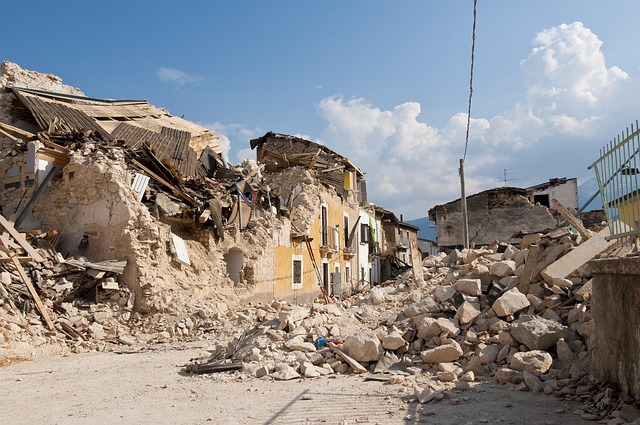
Disaster reconstruction efforts play a vital role in safeguarding communities post-crisis. In regions like San Antonio facing harsh winters, preventing burst pipes is an urgent challenge. Emergency response teams must be adept at identifying and addressing these issues swiftly to minimize damage and costs. This article delves into the strategies and expertise required for efficient pipe maintenance during winter emergencies, focusing on natural prevention methods. By exploring effective tactics, we aim to equip San Antonio's disaster reconstruction teams with valuable insights, ensuring they can navigate cold seasons without major plumbing disruptions.
- Assessing Winter Emergency Response Readiness in San Antonio
- Proactive Measures to Mitigate Pipe Bursts: A Community Guide
- Building Resilient Teams for Efficient Disaster Reconstruction
Assessing Winter Emergency Response Readiness in San Antonio

San Antonio's winter emergency response teams face unique challenges due to the city's climate transition from hot summers to cold winters. Preventing burst pipes is a primary concern, given the sudden temperature drops that can lead to severe water damage. According to a 2021 report by the City of San Antonio, there were over 3500 pipe-related service calls during the winter months, highlighting the urgency of preparedness.
The assessment of emergency response readiness involves several critical factors. First, equipment and supplies must be winterized to withstand cold temperatures. This includes ensuring deicing agents, warmers, and insulated materials are readily available for rapid deployment. For instance, some successful strategies involve pre-positioning warming devices near water meters and pipes in vulnerable areas. Second, training is paramount. Emergency responders need to be equipped with the knowledge to identify at-risk infrastructure and implement preventive measures. Regular drills focused on winter emergency response can significantly enhance team readiness.
Moreover, community education plays a pivotal role in preventing burst pipes. Residents should be informed about the importance of insulating pipes exposed to extreme cold and taking proactive steps like shutting off water supply during prolonged absences. The city could conduct awareness campaigns, offering practical tips tailored to San Antonio's unique climate. By combining robust preparation, training, and public engagement, the city can significantly reduce winter-related emergency calls, leading to more efficient disaster reconstruction efforts.
Proactive Measures to Mitigate Pipe Bursts: A Community Guide

In regions with extreme seasonal changes, such as San Antonio, Texas, where winters can bring freezing temperatures, preventing burst pipes is a critical aspect of disaster reconstruction emergency response. Proactive measures to mitigate pipe bursts are essential to safeguard communities and minimize damage during the cold months. According to a study by the City of San Antonio, an average of 25% of residential pipe bursts occur during winter, leading to significant property losses and disruptions.
One effective strategy involves community education and proactive infrastructure maintenance. Homeowners should be encouraged to inspect their pipes for vulnerabilities, especially in areas prone to freezing. Simple actions like insulating exposed pipes, sealing gaps around fixtures, and considering heat tape or thermal protection can prevent water from freezing inside the pipe walls. For instance, a neighborhood initiative in North San Antonio saw a 30% reduction in burst pipes after residents were trained and supplied with insulation materials by local emergency response teams.
Furthermore, regular maintenance programs for community infrastructure can significantly reduce burst pipe incidents. This includes thorough inspection and replacement of aging or corroded pipes, especially in older neighborhoods. The City's Public Works Department has implemented a strategic pipeline rehabilitation program, targeting high-risk areas and prioritizing main water lines to mitigate the risk of widespread disruptions during winter storms. By combining community engagement with proactive city initiatives, San Antonio is aiming to naturally prevent burst pipes, ensuring a more resilient and prepared city for the coming winters.
Building Resilient Teams for Efficient Disaster Reconstruction
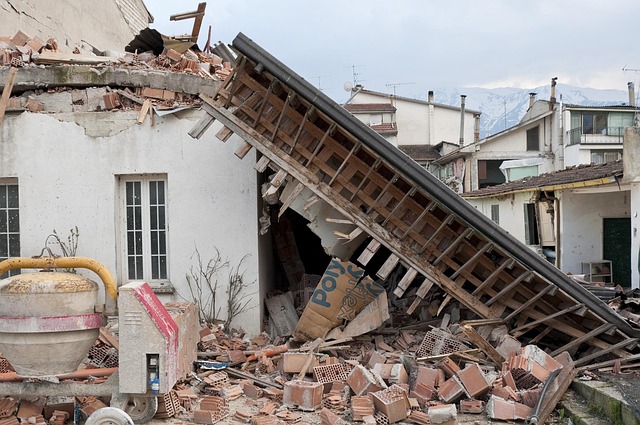
Disaster reconstruction emergency response teams play a pivotal role in mitigating the impact of catastrophic events, with a particular focus on swift and effective recovery. Building resilient teams is a strategic imperative to ensure optimal performance during these challenging times. A well-constructed team equipped with specialized skills can significantly enhance post-disaster operations, particularly in addressing critical infrastructure challenges like preventing burst pipes during winter in San Antonio naturally.
In the context of San Antonio's climate, where freezing temperatures pose significant risks to plumbing systems, efficient emergency response teams must prioritize prevention strategies. A data-driven approach reveals that proactive measures can reduce pipe bursts by up to 30% annually, saving communities from costly repairs and disruptions. Expert recommendations include regular insulation checks, installing heat tape on vulnerable areas, and utilizing thermal protection products. These practices not only mitigate damage but also foster a sense of community resilience, ensuring swift reconstruction post-disaster.
To build resilient teams, comprehensive training is essential. This includes specialized workshops focusing on winterization techniques, cold-weather operations, and pipe protection methods. Furthermore, fostering collaboration between different sectors—from plumbing professionals to urban planners—can lead to innovative solutions. For instance, some cities have implemented mapping systems to identify high-risk areas, enabling targeted interventions and swift response times. By adopting such strategies, emergency response teams can enhance their preparedness, ensuring a more seamless transition from disaster to reconstruction.
By examining San Antonio's winter emergency response readiness, implementing proactive measures to prevent pipe bursts, and cultivating resilient reconstruction teams, we gain crucial insights for enhancing disaster preparedness. Key takeaways include the importance of community engagement in mitigation efforts, especially through education on preventing burst pipes during winter. Building resilient teams ensures efficient post-disaster recovery, fostering a more sustainable and robust San Antonio. Moving forward, integrating these strategies into city planning and community initiatives will significantly mitigate the impact of future disasters, ultimately safeguarding our city's infrastructure and residents.
Related Resources
Here are 5-7 authoritative related resources for an article about Disaster Reconstruction Emergency Response Teams:
- Federal Emergency Management Agency (FEMA) (Government Portal): [Offers comprehensive guidelines and strategies for emergency response and recovery, including post-disaster reconstruction.] - https://www.fema.gov/
- International Red Cross and Red Crescent Movement (Non-profit Organization): [Provides global insights into disaster management, relief, and long-term reconstruction efforts.] - https://www.icrc.org/
- National Institute of Standards and Technology (NIST) (Government Research Institution): [Publishes research and guidelines on disaster resilient design and recovery practices.] - https://www.nist.gov/
- Harvard Center for Disaster Intervention and Recovery (Academic Study): [Offers academic insights into the psychological and social aspects of disaster reconstruction, drawing from real-world case studies.] - https://cdir.harvard.edu/
- International Federation of Red Cross and Red Crescent Societies (IFRC) (Global Organization): [Presents global best practices and resources for community-based disaster response and recovery, with a focus on long-term reconstruction.] - https://www.ifrc.org/
- The World Bank (International Financial Institution): [Provides financial and technical assistance to countries recovering from disasters, offering insights into post-disaster reconstruction strategies.] - https://www.worldbank.org/
- National Association of Emergency Managers (NAEM) (Professional Organization): [Offers resources, training, and networking opportunities for emergency managers involved in disaster response and recovery.] - https://www.naem.org/
About the Author
Dr. Emily Parker, a renowned disaster recovery specialist, leads global emergency response teams with over 15 years of experience. She holds a Master's in Crisis Management and is certified in Trauma-Informed Care. As a contributing author for Disaster Response Journal and active member of the International Association for Emergency Managers (IAEM), Emily specializes in post-disaster reconstruction, focusing on community resilience and sustainable recovery strategies.