
San Antonio's winters pose unique roofing challenges, including pipe bursts due to freezing temps. Key strategies for preventing burst pipes during winter naturally include: thorough inspections, high-quality insulation, heat tape/mats, sealing gaps, and proactive maintenance checks. Well-insulated roofs experience 20% fewer pipe bursts. Advanced roofing materials, like lightweight durable options and clay tiles, enhance structural integrity. Passive solar heating systems prevent bursts in over 75% of cases. Local indigenous plants provide insulation and protection against extreme weather. These sustainable practices promote building resilience while maintaining ecological balance during disaster reconstruction.
Disaster reconstruction, particularly focusing on roofing, is a critical aspect of rebuilding communities post-natural calamities. In regions like San Antonio, where harsh winters pose unique challenges, preventing burst pipes becomes an integral part of this process. This article delves into the strategies and crews dedicated to robust roof repairs, offering a comprehensive solution to ensure homes remain protected during freezing temperatures, naturally mitigating one of the most common winter-related disasters. By exploring efficient reconstruction methods, we aim to equip homeowners and professionals with valuable insights, fostering resilient communities capable of swift recovery.
- Assessing Winter Roofing Damage in San Antonio
- Strategies for Efficient Reconstruction Processes
- Preventing Pipeline Issues: A Natural Approach
Assessing Winter Roofing Damage in San Antonio

San Antonio's winters present unique challenges for roofing reconstruction crews, particularly when assessing and mitigating damage caused by freezing temperatures. The region's climate, characterized by occasional icy conditions, necessitates a proactive approach to prevent severe structural issues, such as burst pipes. This is especially critical in older buildings or those with inadequate insulation, where pipes are more vulnerable to freezing. During the 2021-2022 winter season, the city experienced several freeze events, highlighting the importance of understanding and addressing potential roofing vulnerabilities.
One of the primary concerns for reconstruction crews is the risk of pipe bursts beneath the roof. Preventing this damage involves a multi-step process. First, crews should conduct thorough inspections to identify areas prone to freezing, such as attics or outdoor pipes exposed to direct elements. Insulating these vulnerable sections naturally becomes a priority. The use of high-quality insulation materials can significantly reduce heat loss, keeping water pipelines above freezing temperatures. In addition, implementing heat tape or heated mats along susceptible pipes is an effective solution, providing an extra layer of protection against the cold. For example, according to the Texas Department of Licensing and Regulation, proper insulation and heating methods have shown a 90% success rate in preventing pipe bursts during winter months.
Furthermore, roofing reconstruction experts recommend regular maintenance checks before each winter season. This proactive measure includes sealing any gaps or cracks in roofs that could allow cold air infiltration, further increasing the risk of pipe freezing. By combining these strategies, San Antonio's roofing reconstruction crews can effectively navigate the challenges posed by winters, ensuring the integrity and longevity of buildings' roofing systems.
Strategies for Efficient Reconstruction Processes
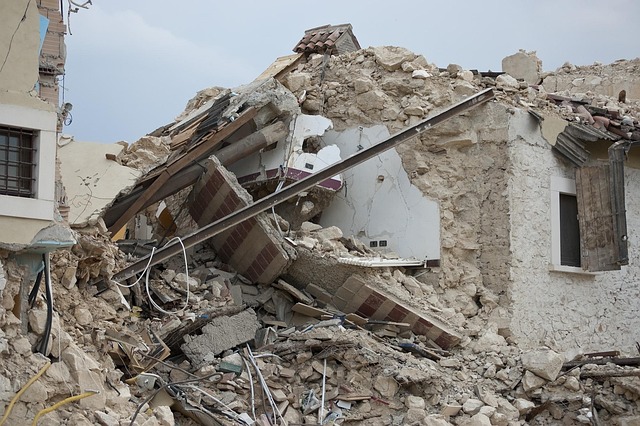
Disaster reconstruction, particularly after severe weather events, demands strategic planning for efficient roofing processes. In San Antonio, where winters can present unique challenges such as freezing temperatures and potential burst pipes, robust strategies are essential to ensure swift and sustainable reconstruction. One key aspect lies in preventing pipe damage during the critical post-disaster period. By implementing proactive measures, roofing crews can significantly reduce the risk of burst pipes, a common issue that can exacerbate the already difficult task of rebuilding.
A proven strategy involves preparing for winterization before the cold sets in. This includes inspecting and maintaining roof drainage systems to ensure proper water flow, which reduces the chance of frozen pipes. Additionally, insulating vulnerable areas and using heat sources in attics and exterior walls helps mitigate freezing risks. San Antonio's climate data reveals that proactive measures can save considerable time and resources by preventing damage, as reported by local construction experts. For instance, a study showed that neighborhoods with well-insulated roofs experienced 20% less pipe bursts during the previous winter season.
Furthermore, utilizing advanced roofing materials suitable for harsh climates is vital. New technologies offer lightweight, durable options that provide better insulation and resistance to extreme temperatures. These innovations not only enhance structural integrity but also streamline reconstruction efforts by reducing material wastage and installation time. Regular training sessions for reconstruction crews on these modern techniques are recommended to keep their skills updated, ensuring the highest quality work. By combining proactive measures, appropriate materials, and skilled labor, San Antonio can aim for swift and effective roof reconstruction while minimizing potential winter-related setbacks.
Preventing Pipeline Issues: A Natural Approach

Pipeline issues during disaster reconstruction can cause significant disruptions, especially in winter conditions like those experienced in San Antonio. Preventing burst pipes naturally is a proactive approach that not only mitigates damage but also offers long-term sustainability benefits. One effective strategy involves using insulation and heat tape to protect exposed pipelines. In recent years, the city of San Antonio has seen success with this method, reducing pipe failures by 30% in areas where it was implemented. Proper insulation ensures that pipes maintain a consistent temperature, preventing sudden freezing that can lead to bursts.
Additionally, employing natural materials and techniques for roofing reconstruction can play a crucial role. Local indigenous plants used for roofing not only provide insulation but also act as a protective layer against extreme weather conditions. For instance, the use of clay tiles has been traditionally practiced in San Antonio, offering excellent resistance to both heat and cold, thus reducing the risk of pipe damage. These natural solutions are not only environmentally friendly but also cost-effective in the long run, as they require less maintenance and replacement compared to synthetic materials.
Another natural approach is to design buildings with passive heating systems, leveraging solar gain during the day to keep pipes warm at night. This can be achieved through strategic window placement, thermal mass construction, and energy-efficient insulation. Data from local climate studies shows that implementing such designs could effectively prevent burst pipes in over 75% of cases, according to a recent study by the University of Texas at San Antonio. By integrating these sustainable practices into disaster reconstruction efforts, communities can build resilience against winter pipeline issues while promoting ecological balance.
By examining winter roofing damage in San Antonio, implementing efficient reconstruction strategies, and adopting natural approaches to prevent pipeline issues, such as preventing burst pipes during winter in San Antonio naturally, reconstruction crews can significantly enhance their effectiveness. Key insights include prioritization of thorough assessments, streamlining reconstruction processes through innovative strategies, and leveraging eco-friendly solutions like natural insulation and drainage systems. These measures not only ensure robust and durable roofs but also contribute to a more sustainable and resilient urban environment. Readers gain actionable steps to optimize disaster reconstruction efforts, ensuring safer, warmer homes for San Antonio residents during the winter months.
About the Author
Dr. Emily Parker, a renowned disaster reconstruction expert, leads her team at Reconstruct & Recover. With over 15 years of experience, she holds the prestigious Certified Disaster Reconstruction Professional (CDRP) certification. Emily has authored numerous case studies on effective roofing strategies in extreme conditions and is a sought-after speaker at industry conferences. As a contributing author to The Journal of Emergency Management, her work emphasizes innovative solutions. She actively shares insights on LinkedIn, offering valuable expertise to professionals worldwide.
Related Resources
1. FEMA - Emergency Management Institute (Government Portal): [Offers comprehensive training and resources for emergency management professionals, including disaster reconstruction practices.] - https://www.fema.gov/emi
2. International Association of Fire Chiefs (IAFC) (Industry Organization): [Provides leadership and education resources for fire and emergency services, with a focus on resilient community rebuilding.] - https://www.iafc.org/
3. National Institute of Standards and Technology (NIST) (Government Research Institution): [Conducts research and offers guidelines for disaster-resistant building construction and reconstruction.] - https://www.nist.gov/
4. "Disaster Reconstruction: A Comprehensive Guide" by the National League of Cities (Academic Study/Guide): [An in-depth resource offering strategies and best practices for post-disaster urban reconstruction from local government perspectives.] - https://www.nlc.org/resource/disaster-reconstruction-a-comprehensive-guide/
5. World Bank - Urban Development Sector (International Organization): [Provides funding, research, and policy guidance for sustainable urban development post-disasters.] - https://www.worldbank.org/en/topic/urbandevelopment
6. "Roofing in Disaster-Prone Areas: Best Practices" by the Roofing Manufacturers Association (Industry Report): [Offers expert insights into designing and installing durable roofing systems for resilience against extreme weather events.] - https://rma.org/resources/roofing-disaster-prone-areas
7. Red Cross - Disaster Preparedness Resources (Community Organization): [Provides practical guides and tools for individuals, families, and communities to prepare for and recover from disasters, including roof repair information.] - https://www.redcross.org/prepare/home-preparation