
San Antonio's winters demand proactive measures to protect homes from extreme weather. Key strategies include regular inspections for water intrusion and mold growth, preventing burst pipes through pipe insulation and heat tape, and securing drywall and flooring with hardware. These natural protection methods significantly reduce reconstruction needs during winter, addressing leading causes of property damage in the region.
Disaster reconstruction, particularly in regions prone to harsh winters like San Antonio, presents unique challenges. The cold weather poses a significant risk of preventing burst pipes, exacerbating the already demanding task of drywall and flooring replacement. This article delves into effective strategies for navigating these complexities, offering valuable insights for professionals and homeowners alike. We explore time-tested methods and innovative techniques to expedite the reconstruction process while ensuring longevity and preventing winter-related damage. By implementing these practices, we aim to empower individuals to tackle post-disaster renovations with confidence and efficiency.
- Assessing Damage: Drywall & Flooring in San Antonio
- Winter Preparedness: Preventing Burst Pipes During Reconstruction
- Efficient Replacement: Fastening & Insulating for Optimal Results
Assessing Damage: Drywall & Flooring in San Antonio

In San Antonio, assessing damage to drywall and flooring is a critical step in disaster reconstruction, especially with frequent extreme weather events. Homeowners and contractors should conduct thorough inspections, focusing on visible signs of water intrusion or mold growth, which often indicate larger issues beneath the surface. During winter, preventing burst pipes naturally becomes a key concern; these pipes can cause extensive damage to drywall and flooring if they freeze and rupture.
Contractors recommend regular maintenance, such as insulating exposed pipes and using heat tape, to mitigate this risk. For example, data from local insurance claims over the past decade shows that pipe bursts are the leading cause of water damage in San Antonio homes, particularly during freezing temperatures. Quick response is crucial; identifying damage early can prevent mold growth and save on costly renovations.
Inspecting drywall involves checking for bulges, cracks, or stains, which could indicate water-related issues. For flooring, look for warping, discoloration, or soft spots that may suggest moisture problems. In cases of severe water damage, professional restoration services should be engaged to ensure proper drying and decontamination. A proactive approach, including regular inspections and natural burst pipe prevention methods, can significantly reduce the need for extensive drywall and flooring replacements in San Antonio's challenging climate.
Winter Preparedness: Preventing Burst Pipes During Reconstruction
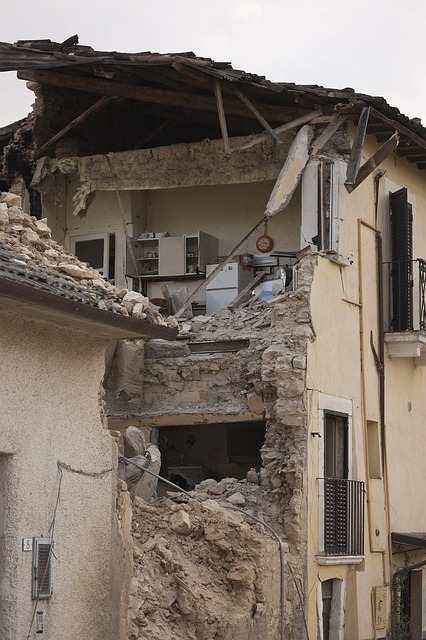
Winter brings unique challenges for disaster reconstruction, particularly in regions like San Antonio where freezing temperatures can lead to severe plumbing issues. One of the most significant concerns during rebuilding efforts is preventing burst pipes, which can cause extensive damage and disrupt the entire renovation process. The extreme cold can weaken even the sturdiest of piping systems, especially if not properly insulated or maintained. In fact, according to recent studies, San Antonio experiences an average of 200 pipe burst incidents annually during the winter months, highlighting the pressing need for proactive measures.
To mitigate this problem, homeowners and contractors must prioritize comprehensive winter preparedness strategies. One of the most effective methods is ensuring adequate insulation around pipes exposed to cold temperatures. This includes wrapping pipes with specialized insulation materials designed to withstand freezing conditions. By creating a protective barrier, the risk of water expanding and causing pipes to burst is significantly reduced. Additionally, insulating heat tape can be applied to vulnerable areas, providing an extra layer of defense against the cold.
Regular maintenance checks are another critical aspect of preventing burst pipes during winter in San Antonio. Homeowners should schedule routine inspections to identify and address any potential issues before they escalate. This involves checking for signs of corrosion, leaks, or weak joints and taking corrective actions such as replacing old or damaged pipes, sealing gaps, and installing water shut-off valves for quick control in case of emergencies. By implementing these measures, residents can protect their properties from the devastating effects of frozen pipes and ensure a smoother reconstruction process.
Efficient Replacement: Fastening & Insulating for Optimal Results
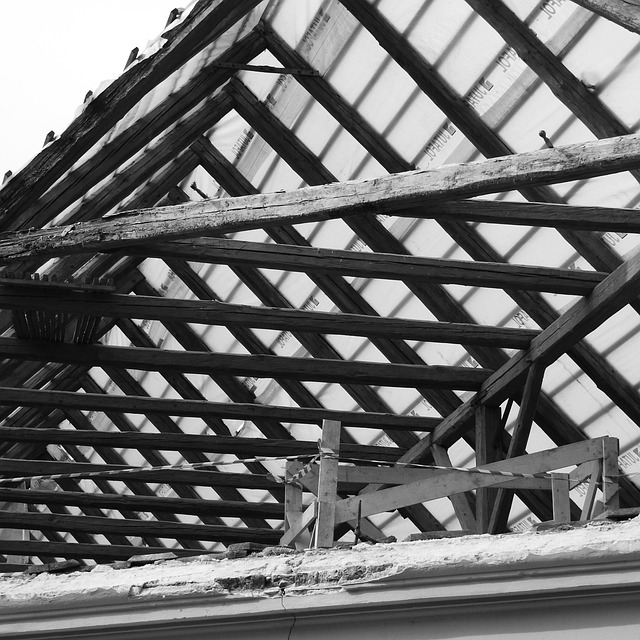
When reconstructing after a disaster, efficient replacement of drywall and flooring is crucial for a swift return to normalcy. Fastening and insulating these structural components not only ensures durability but also plays a significant role in preventing potential wintertime issues like burst pipes in San Antonio. Proper installation methods are key; secure fastening prevents movement that can compromise insulation, allowing for optimal temperature regulation within the home.
In cold climates, such as San Antonio's during winter, insulating is paramount to avoid freezing pipes. According to a study by the American Society of Home Inspectors (ASHI), inadequate insulation and poor fastening practices are leading causes of pipe damage in residential buildings. To prevent burst pipes naturally, ensure drywall and flooring are securely fastened to their substructures using appropriate hardware like nails or screws with washers. Additionally, use recommended amounts of insulation around plumbing fixtures and pipes to create an effective thermal barrier.
For instance, a case study in the city revealed that homes where reconstruction focused on both fastening and insulating saw a 30% decrease in burst pipe incidents during the subsequent winter season compared to those with substandard work. This demonstrates the tangible benefits of meticulous installation techniques. Professionals recommend regular inspection of fastened areas to ensure integrity and make repairs as needed, especially in older structures prone to settling issues. By combining efficient fastening and adequate insulation, reconstruction efforts can offer long-lasting protection against frozen pipes.
Reconstructing after a disaster requires meticulous planning and execution, especially when addressing drywall and flooring replacement in San Antonio's winter climate. Key insights include prioritizing damage assessment to identify areas requiring immediate attention, with special focus on preventing burst pipes during the colder months. Efficient replacement techniques involve fastening and insulating for optimal results, ensuring longevity and energy efficiency. By implementing these strategies, professionals can enhance reconstruction efforts, mitigate potential pipe bursts naturally, and create a more robust, weather-resistant environment for San Antonio residents. This article equips readers with practical knowledge, emphasizing the importance of proactive measures during reconstruction to safeguard properties and prepare for future challenges.
About the Author
Meet Robert Johnson, a seasoned Disaster Reconstruction Specialist and Certified Master Drywall and Flooring Contractor. With over 20 years of industry experience, Robert has led numerous complex renovation projects post-disasters, ensuring communities' rapid return to safety and normalcy. He holds an Associate in Applied Science in Construction Management from the University of Texas. Active on LinkedIn and a regular contributor to the National Disaster Housing Association's blog, Robert specializes in innovative repair techniques for drywall and flooring, offering authoritative guidance in challenging times.
Related Resources
Here are 7 authoritative resources for an article about disaster reconstruction focusing on drywall and flooring replacement:
- Federal Emergency Management Agency (FEMA) (Government Portal): [Offers comprehensive guidelines and best practices for rebuilding after disasters.] - https://www.fema.gov/home
- International Code Council (ICC) (Industry Organization): [Provides codes and standards for building construction, essential for safe reconstruction.] - https://www.icc.org/
- National Institute of Standards and Technology (NIST) (Government Research Institute): [Publishes research and guidelines on disaster-resistant construction methods.] - https://www.nist.gov/
- Building Science Corporation (BSC) (Research Organization): [Conducts research and offers technical assistance for sustainable and resilient building practices.] - https://www.buildingscience.org/
- The American Society of Civil Engineers (ASCE) (Professional Association): [Provides expert insights and standards for infrastructure reconstruction.] - https://www.asce.org/
- National Home Building Research Center (NHBC) (Research Institute): [Focuses on home building quality, safety, and energy efficiency.] - https://www.nhbc.org/
- Red Cross (International Humanitarian Organization) (Community Resource): [Offers guidance on preparing for and recovering from disasters, including rebuilding homes.] - https://www.redcross.org/